The value of a commercial property in Dufferin County is rarely a simple number. It is a judgment informed by evidence, supported by methodology, and shaped by local context. Whether you operate a farm-based business on the edge of Grand Valley, own a plaza on Broadway in Orangeville, or manage an industrial condo along Highway 10, the appraisal driving your financing, tax planning, or sale price needs to hold up under scrutiny. That is where certified commercial property appraisers in Dufferin County earn their keep.
What certification really buys you
In Canada, commercial appraisal work is governed by the Canadian Uniform Standards of Professional Appraisal Practice, and most lenders, insurers, and courts expect reports from appraisers with the AACI, P.App designation from the Appraisal Institute of Canada. Certification sets a floor for competence and ethics, but in practice it delivers more than a credential. It signals familiarity with standards for scope of work, market exposure, extraordinary assumptions, and reporting detail that lenders and auditors trust.
A certified commercial appraiser also brings strong file defensibility. If your valuation faces pushback from a lender’s reviewer, a municipal legal team during an expropriation, or a CRA auditor, an AACI report anticipates those questions. It ties each conclusion to data, pairs that data with verifiable sources, and documents the reasoning step by step. That chain of evidence often makes the difference between a one-week approval and a two-month delay.
The Dufferin County market is its own animal
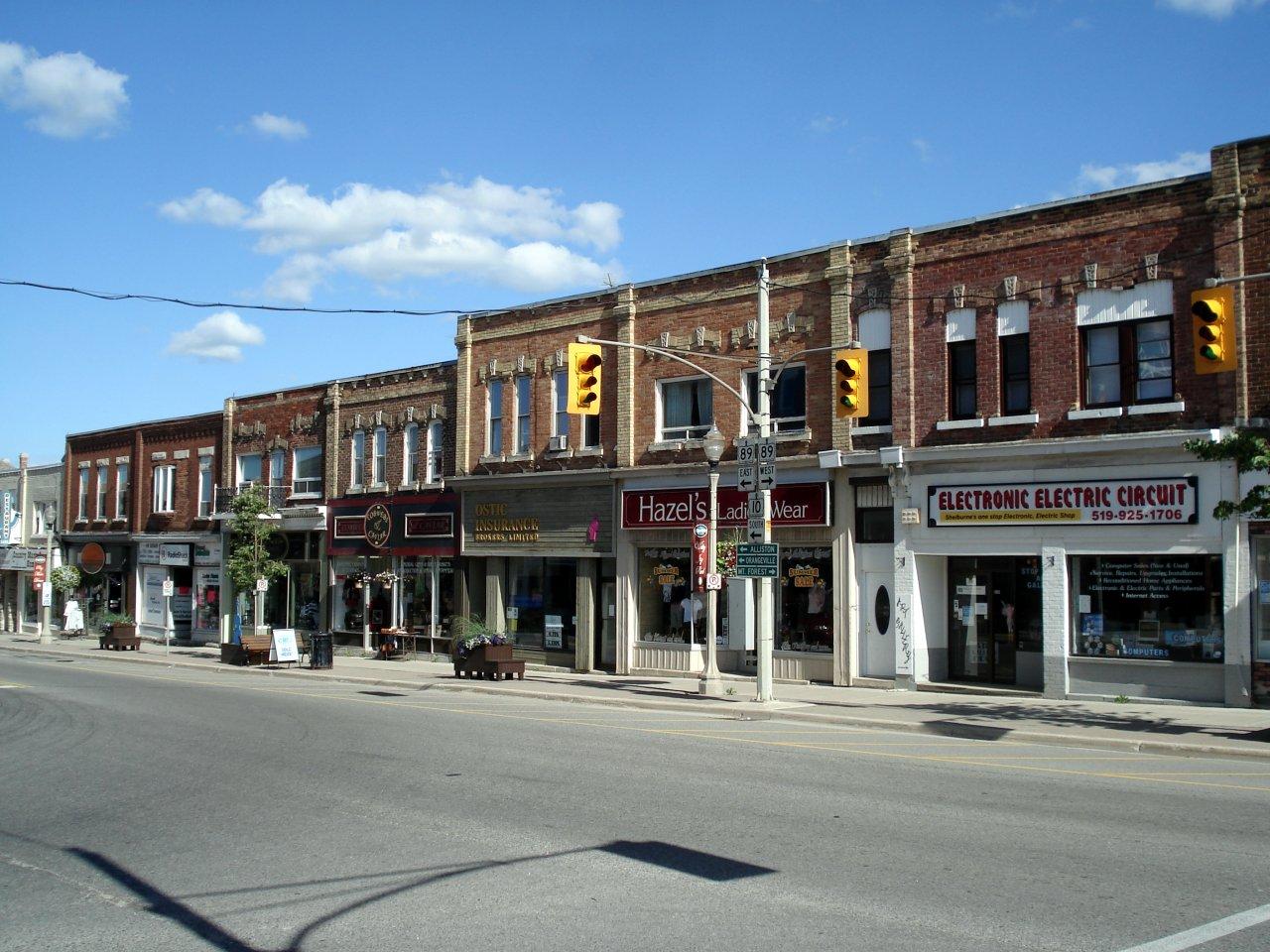
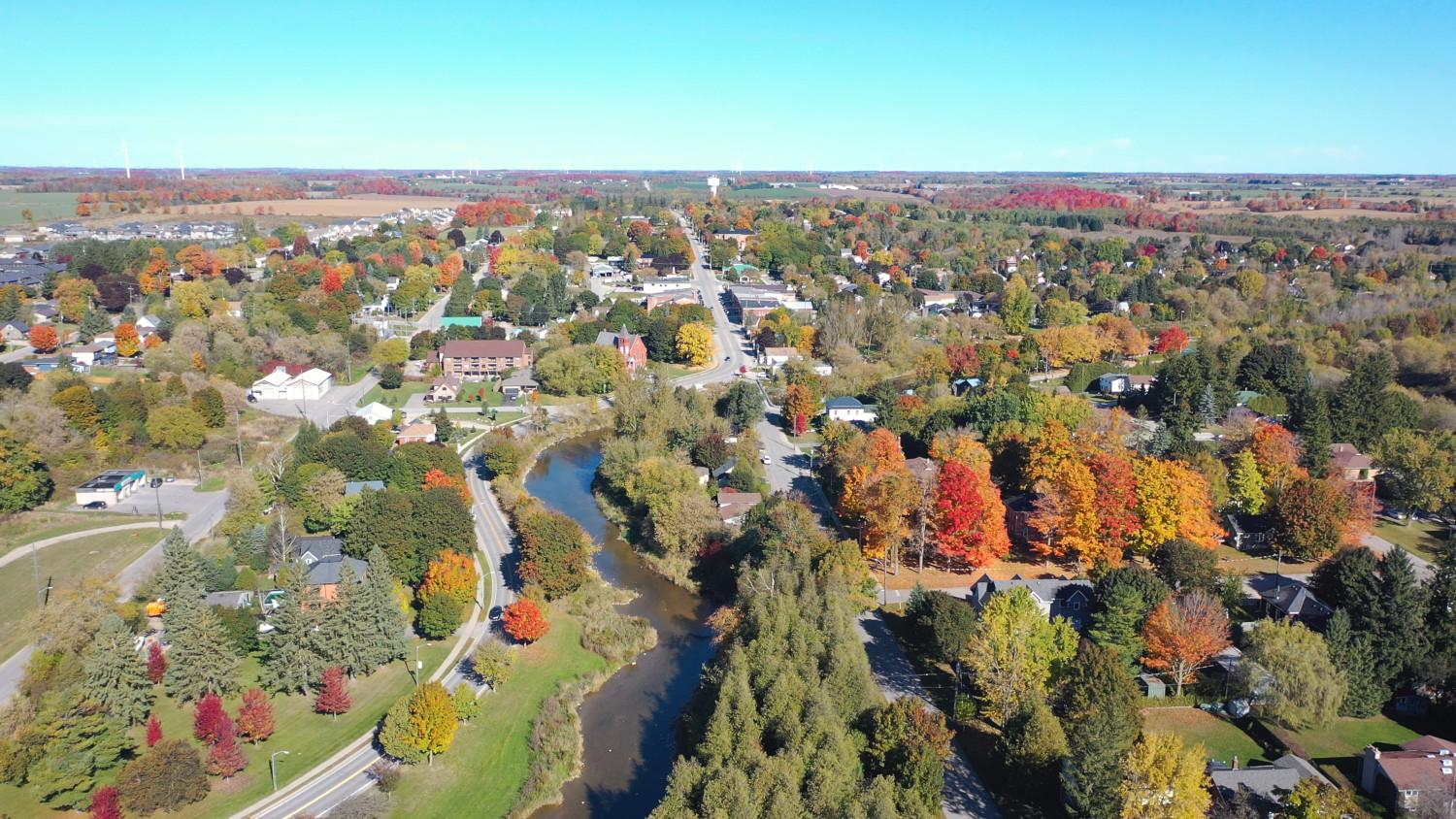
Dufferin is not downtown Toronto, and a valuation model trained on big-city office towers struggles on County Road 109. The county’s fabric blends small-town main street retail, highway commercial strips, light industrial nodes, farm support facilities, aggregates, and a growing cohort of modern owner-occupied buildings that look like logistics-lite. Add in wind turbine leases in Melancthon, equestrian and agri-business properties in Mono and Mulmur, and development land with servicing constraints at the edges of Orangeville and Shelburne, and you have a market where local context can swing value by double digits.
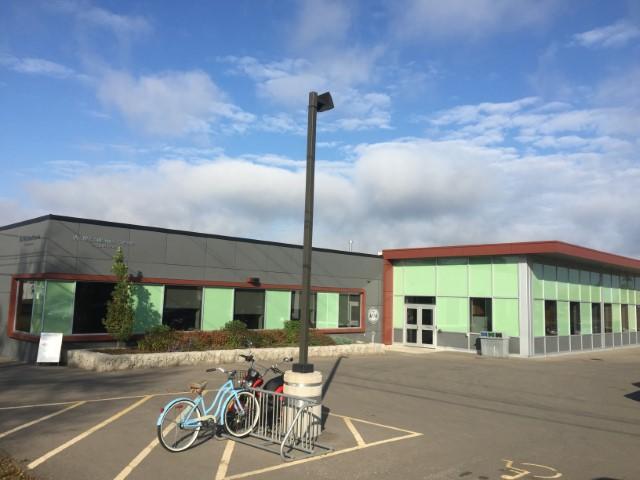
Consider a simple example. Two seemingly similar 12,000 square foot industrial buildings, both metal-clad and built in the 1990s, trade six months apart. One sits inside Orangeville’s urban area near primary utilities, the other is rural with well and septic just north of the town boundary. A surface-level comparison suggests a narrow value range. A certified commercial appraiser with Dufferin experience will probe site servicing, zoning conformity, yard storage permissions, and truck turning radii. They will also gauge how each feature influences lender appetite. The urban site may attract more buyers and cheaper debt, translating into lower cap rates and a higher value. The rural one can be perfectly functional, yet narrower lender pools and additional due diligence cost raise the effective required yield, trimming value per square foot. A 10 to 20 percent spread is not unusual.
That kind of nuance is common in commercial real estate appraisal in Dufferin County. Certified appraisers who work here regularly have a mental map of MPAC assessed baselines versus market reality, where site plan control triggers sit, which conservation authorities shape setbacks, and how municipal servicing plans will unlock or choke development over a 5 to 10 year horizon.
Methods that fit the property, not the other way around
Three primary valuation approaches show up in commercial appraisal services in Dufferin County: the direct comparison approach, the income approach, and the cost approach. A certified practitioner does not simply stack them and average the results. They decide when each method has probative value.
For single-tenant industrial or basic retail, the income approach often leads. The appraiser derives market rent from comparables, adjusts for tenant improvements, free rent periods, and step-ups, then applies a capitalization rate or discounted cash flow. In Dufferin, cap rates for stable, small-bay industrial might parse in the mid 6 percent to low 7 percent range in a given year, drifting up or down with interest rates, lease covenant strength, and functional utility. Local knowledge matters. A five-year lease to a single, thinly capitalized machine shop may look neat on paper but calls for a yield premium compared to a nationally backed parts distributor with a 10 year term.
The direct comparison approach is powerful for owner-occupied properties, land, and assets with light income data. The catch is finding true comparables. In a county where transactions are sparse, certified commercial property appraisers in Dufferin County know how to expand the search radius without losing relevance. They might normalize data from Caledon or Guelph, then adjust carefully for distance, market depth, and exposure time. Using out-of-market evidence is acceptable when justified, but it is dangerous without detailed reconciliation. Certification does not force that care, but good appraisers trained under standard-based peer review tend to show their math.
The cost approach gains traction on special-purpose buildings, agricultural support facilities, and newer assets where depreciation can be observed. For a farm supply warehouse with custom grain handling, or a riding arena in Mulmur, replacement cost less depreciation can anchor value when sales and rent data thin out. The trick is estimating external obsolescence, which might arise from narrow buyer pools or limited alternative use. That is where highest and best use analysis becomes the spine of the report.
Highest and best use is not a line item
Every valuation leans on a realistic view of what the property could be, not just what it is. In Shelburne, a 1.5 acre site with an older service garage may have more value as a redevelopment play if the official plan, zoning, and servicing timelines align. A certified appraiser will test physical possibility, legal permissibility, financial feasibility, and maximum productivity. If redevelopment checks out, the report may present a prospective valuation with explicit assumptions, or it may still value the property as improved but annotate the uplift path and probability. Lenders often prefer current-use value for security today, yet investors bid on tomorrow. The appraisal should address both perspectives without promising what planning authorities have not endorsed.
Development land brings its own judgment calls. A 25 acre parcel near Grand Valley might sit outside an immediate servicing schedule, with environmental constraints reducing net developable area by, say, 20 to 35 percent. The appraiser will map those constraints against lot yield, soft costs, and timeline risk. They may stage a discounted cash flow over several phases instead of applying a single per-acre rate. When you read a report that runs clean sensitivity tables for absorption pace and interest rates, you are likely reading the work of someone who does this regularly in the county.
Lenders, auditors, and the alphabet soup of requirements
Most Canadian banks and credit unions keep approved lists for commercial appraiser Dufferin County assignments. They want AACI, P.App signatories, evidence of commercial experience, E&O insurance, and the ability to deliver at the right report level. A narrative appraisal, not a short form, is typical for loans above modest thresholds. For CMHC-insured multifamily financing, additional rent roll testing, expense normalization, and vacancy stress apply. For IFRS reporting, you need fair value measurement methodology and consistent assumptions year to year, with discount rates and capitalization rates tied to market evidence and internal hurdle rates.
These are not formalities. A report that satisfies a local credit union may fail a national bank’s review for missing support on exposure time or for relying on an extraordinary assumption without labeled risk. Certified commercial property appraisers in Dufferin County tend to pre-clear scope with the lender and tailor the report to the credit memo. That consultative step often saves a second round of revisions.
When real experience changes the outcome
A few examples illustrate how a seasoned commercial appraiser in Dufferin County can steer a better result.
A wind turbine lease parcel in Melancthon looks straightforward until you test the income stream’s legal durability and marketability. If the lease assignment is restricted, buyer pools thin, and the yield must rise. Conversely, if the payment schedule escalates predictably and the counterparty is investment grade, you can model risk with more precision. A certified appraiser will document the lease review, note any curtailment history, and benchmark royalties against regional data. That work can move value by six figures on even a single turbine site.
A main street mixed-use building in Orangeville with two retail units and four apartments might present a tangle of rents that include side agreements for storage or on-site parking. Unless those side payments are normalized, net operating income is overstated, and value follows. A careful appraiser separates market rent for each space and backs out non-recurring or non-market items, then adjusts cap rates for the small-asset, small-town premium lenders often embed. Owners do not love the haircut on paper, but they appreciate avoiding a retrade at the eleventh hour.
Aggregate lands and pits demand specialized expertise. Value can rest on permitted reserves, distance to markets, and haulage costs. A lack of current extraction does not mean low value if permits are in place and the stone is desirable. Poorly supported appraisals either miss the upside or overstate it by ignoring regulatory timelines. Certified practitioners either have the niche skills or bring in a specialist, documenting the reliance properly.
What the process looks like, without the varnish
The best commercial appraisal services in Dufferin County begin with a scoping call that pins down purpose, report type, delivery timeline, and stakeholders. Financing for a purchase with a tight closing date is a different animal than retrospective value for litigation. After engagement, the appraiser completes a site inspection, collects documents, and starts market research. Inspections are not box-checking exercises. For industrial buildings, slab condition, clear height, loading type, electrical service, and shop improvements matter. For retail, frontage, visibility, shared parking arrangements, and signage rights figure into rent and vacancy assumptions. For land, servicing confirmations and conservation constraints are decisive.
Timelines vary. A modest industrial building with solid comparables may run 10 to 15 business https://fernandobwck445.theglensecret.com/common-mistakes-to-avoid-in-commercial-building-appraisal-in-dufferin-county days from site visit to report. A complex file with partial interests, leasehold interests, or development phasing can take several weeks or more. Fees follow complexity and risk. Expect higher fees for litigation support, expropriation, or specialized assets because they require deeper modeling and greater willingness to testify or defend.
The difference between a number and a decision tool
A good appraisal does not drown you in charts. It helps you make a decision with confidence. That means reconciling the approaches, stating why certain methods get more weight, and flagging the assumptions most likely to move value. It means acknowledging weaknesses in the data when Dufferin’s deal volume is light, and then showing how the appraiser bridged that gap with reasoned adjustments. Lenders, buyers, and auditors read hundreds of reports. They can spot the ones that simply plug in a cap rate, versus those that explain its origin in local leases, investor appetite, and financing conditions.
Certified commercial appraisers in Dufferin County also understand the limits of their mandate. They are not environmental consultants, surveyors, or planners, but they know when to raise a red flag. If the inspection reveals potential environmental concerns or encroachments, or if zoning compliance is murky, they will note those issues and state the conditions under which value holds. That clarity protects you.
When you absolutely need a certified commercial appraisal
You might get by with a broker opinion of value in casual scenarios, but certain triggers raise the stakes.
- Financing or refinancing involving a chartered bank, credit union, or CMHC insured loan Corporate financial reporting under IFRS or ASPE where fair value measurement applies Expropriation matters, litigation, or matrimonial proceedings requiring expert testimony Property tax appeals or assessment disputes that hinge on income and market evidence Complex acquisitions or dispositions where pricing depends on development or lease-up risk
In each case, a certified commercial real estate appraisal in Dufferin County gives you a report formatted, supported, and written for the audience that will review it, not just a price opinion.
Avoiding common pitfalls that cost time and money
The easiest way to derail a file is to restrict access to information. Appraisers are not trying to pry, they are trying to sort truth from optimism. Providing full rent rolls, copies of leases, expense histories, drawings, recent capital improvements, and any site plan approvals, even if partial, saves days. Another pitfall is commissioning an appraisal for one purpose and trying to recycle it for another. A report built for internal decision-making may not meet a bank’s scope, and lenders are within their rights to reject it. The more specialized the purpose, the more important early alignment is.
There is also the temptation to cherry-pick comparables. Owners sometimes push sales they like and ignore ones they do not. A seasoned commercial appraiser in Dufferin County will include both kinds, show adjustments, and explain why certain sales get more weight. That balanced record stands up better and often secures faster lender approval even if the number lands slightly below an owner’s hopes.
Reading the local signals that shape value
Dufferin’s growth corridors, especially around Shelburne and Orangeville, have been absorbing population growth spilling from the GTA. That demand lifts certain asset classes, particularly service retail and light industrial. But infrastructure and planning lags can inflate timelines and holding costs. A certified appraiser tracks municipal capital plans, water and wastewater capacity notices, and subdivision approvals to calibrate absorption. They also watch the small but meaningful shifts in asking rents. For instance, a 50 cent per square foot rise in achievable net rent for small-bay industrial can translate into a 7 to 10 percent value increase at a constant cap rate. If cap rates concurrently compress by 25 basis points due to stronger investor interest, the effect doubles. The opposite can happen when borrowing costs spike. A credible report narrates these linkages.
The agricultural side of Dufferin adds another layer. Secondary on-farm businesses, agri-tourism, and equestrian facilities complicate the boundary between agricultural and commercial use. Zoning permissions and tax classifications influence net income and risk, and not every buyer prices those correctly. Certified commercial property appraisers in Dufferin County are used to toggling between agricultural and commercial lenses, and they explain how mixed-use reality should be treated for valuation.
How to select the right appraiser, not just a certified one
Certification is necessary, not sufficient. You want someone who has worked with the municipalities and lenders that touch your property type, and who can speak plainly about uncertainty.
- Ask for two or three recent Dufferin County assignments similar to your asset and purpose Confirm the signatory holds AACI, P.App and carries current E&O insurance Clarify the intended users and purpose so scope and level of report match your needs Discuss turnaround time honestly and avoid promises that hinge on miracles Request a sample table of contents or redacted report to gauge depth and clarity
You are buying a professional judgment wrapped in documentation. The preview tells you whether the final product will resonate with the audience that matters.
Fees, speed, and the myth of the cheap, fast, and good triangle
Everyone likes a low fee and a quick delivery. In a county where comparables are thinner and properties vary widely, that combination often signals a surface-level analysis. Paying a modest premium for a thorough report that anticipates reviewer questions is usually cheaper in the long run. Two rounds of lender rewrites cost more than a well-scoped job finished once. That said, not every file needs the same depth. For a simple refinance with a conservative loan to value and a plain vanilla asset, a shorter format may suffice if the lender agrees at the outset. A candid appraiser will size the assignment to the risk.
What owners and lenders can do to make the most of the process
Treat your appraiser as a temporary partner in risk management. Share what you know about the building’s quirks, not just the highlights. If you expect to push rents, show your basis. If you believe the site is ripe for redevelopment, line up planning opinions or pre-consult notes. When your assumptions have support, a certified appraiser can incorporate them as extraordinary assumptions with clear caveats. That approach keeps value tied to evidence while recognizing potential upside, and it preserves credibility with readers who need conservative baselines.
The bottom line for Dufferin County stakeholders
Commercial real estate is local, and Dufferin County has its own rhythms. A report from certified commercial property appraisers in Dufferin County reflects those rhythms in the way it selects comparables, sets cap rates, frames highest and best use, and discloses risk. It helps a lender underwrite, an investor price, a court adjudicate, and an owner plan. It resists the urge to generalize from busier markets and instead leans on grounded, local judgment.
If your next decision depends on a reliable number, hire a commercial appraiser in Dufferin County who can stand behind that number in front of a credit committee or a judge. Look for certification, but also look for demonstrated local experience. In the end, a commercial property appraisal in Dufferin County is not just an exercise in math. It is a way to see a property clearly amid the County’s blend of rural enterprise, small-town commerce, and steady growth pressure from the GTA.
Armed with that clarity, you will negotiate better, finance smarter, and spend less time arguing over uncertainty and more time acting on opportunity.