Tourism is part of the fabric of Wellington County. Weekenders weave through Elora’s limestone streets, cyclists load up on butter tarts in Erin, business travelers stop over along Highway 6, and wedding parties fill renovated barns that glow on summer evenings. For property owners and lenders, these experiences translate into real revenue patterns, operational risks, and asset decisions. An appraisal that understands the way hospitality and tourism actually work here will not look the same as one written for downtown Toronto or a cottage strip on Lake Huron. It takes local patterns, municipal nuance, and the going concern nature of hotels and inns into account, then grounds value in data that can withstand a lender’s credit committee or a buyer’s due diligence.
This is the terrain where a commercial appraiser in Wellington County operates. The stakes are practical. A valuation can decide whether a hotel refinance closes, whether an innkeeper can fund a guestroom renovation, or whether a rural events venue can carry the debt used to insulate a century barn. Getting it right means reading both the books and the place.
What makes hospitality in Wellington County distinct
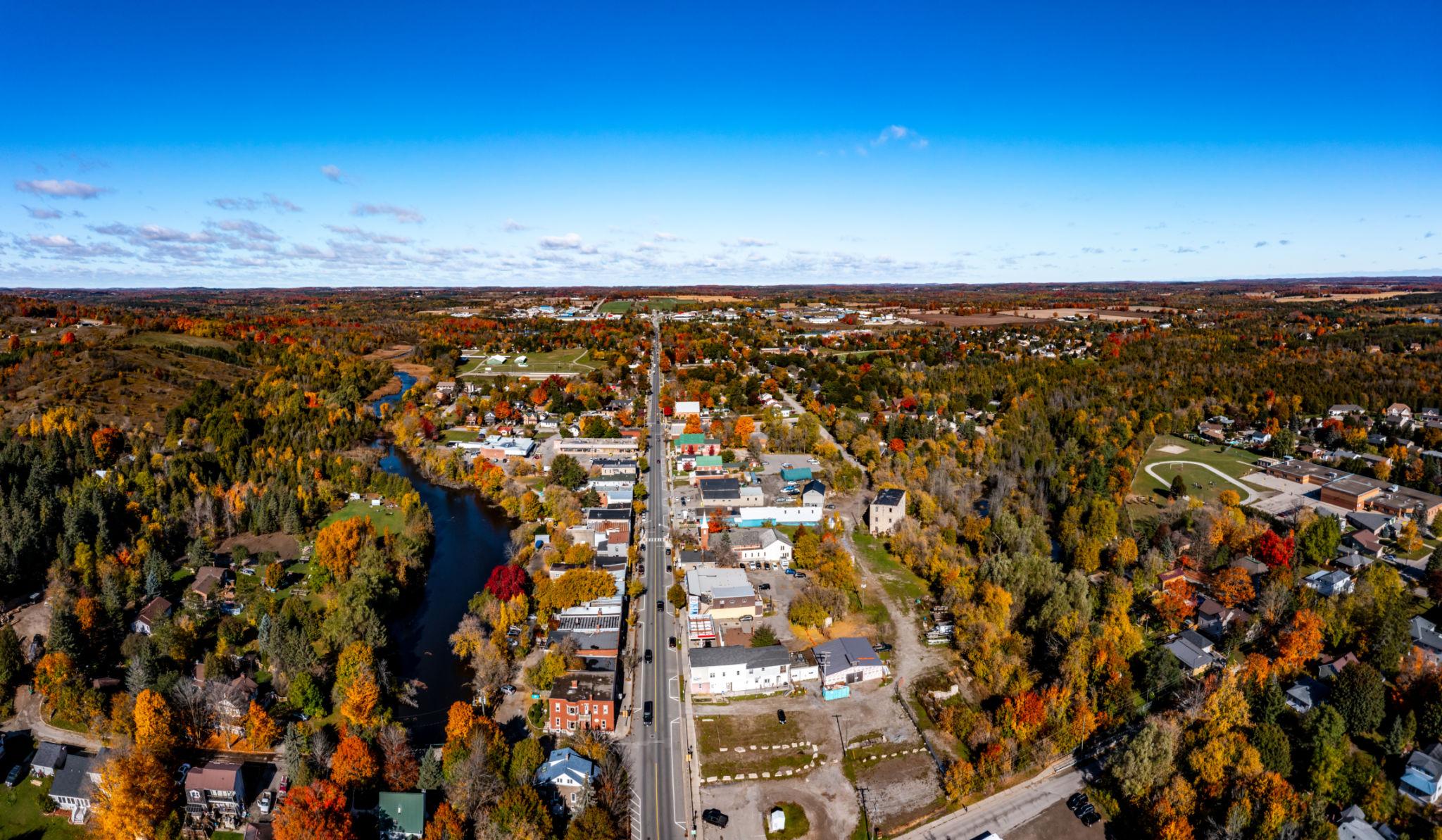
The county’s tourism economy is diversified. Elora and Fergus pull visitors with the Gorge, the Grand River, heritage architecture, and year-round events. Drayton Festival Theatre draws culture seekers to Mapleton and Minto. Recreational traffic flows along Highway 6 through Wellington North and Puslinch, tying into Guelph and the 401 corridor. Agriculture is not just backdrop, it sets the scene for farm stays, cidery taprooms, and wedding barns. Each submarket has its own cadence, and it does not match a big-city business week.
Seasonality is pronounced. From late May through October, occupancy tends to rise sharply, with weekends often oversold at desirable locations in Elora and Centre Wellington. Winter softens, then spikes briefly for holiday markets or hockey tournaments, and dips again mid-January. Limited service highway motels see steadier weekday business from trades and corporate crews, but still feel the winter lull. The net effect on valuation is not a single “average occupancy,” but a revenue curve that swings 20 to 35 points between low and high months.
Rate strength lives in the story a property tells. A rustic-chic riverside inn in Elora can command an average daily rate that sits 30 to 60 percent above a highway-branded limited service hotel fifteen minutes away. A rural wedding venue booked every Friday and Saturday from May through October can post event revenues that dwarf lodging income, but shoulder months become a test of cash flow management. That is why a robust commercial real estate appraisal in Wellington County pulls from both local performance data and national brand benchmarks, then stress-tests shoulder seasons and off-peak demand, not just peak weekends.
The going concern problem, and why it matters for value
Hotels, inns, and event venues are operating businesses that sit on real estate. The classic three approaches to value still apply, but income and sales comparison must separate the real estate from the business enterprise. Furniture, fixtures, and equipment hold value. Brand affiliations, websites, reservations systems, loyalty platforms, and trained staff generate intangible value that does not live in the walls. Lenders want the real estate component isolated for mortgage security. Buyers care about total going concern value, but also need to know what portion is depreciable equipment and what portion is intangible brand equity or goodwill that will not collateralize.
When a commercial appraiser in Wellington County tackles a hospitality assignment, the work often involves these steps: normalize the operating statement, model a stabilized year, deduct a reserve for replacement, capitalize the stabilized net operating income to estimate the going concern, then allocate out FF&E and intangible components. The reserve deduction is not optional. In practice, 3 to 5 percent of total revenues is typical for limited and select service hotels. Historic inns with bespoke millwork and in-room fireplaces sometimes push higher once reality sets in after a few winters.
Where data comes from, and what “local” really means
Most owners hand over trailing twelve months and two to three years of historical financials. That is the starting point, not the finish. For limited service flags like Choice and Wyndham, segmentation and expense ratios can be compared to franchise performance reports and national STR trends. For independent inns and rural venues, comp sets look different. A county appraiser will triangulate among:
- Property-level statements by month for at least 24 months, including occupancy, ADR, and RevPAR for lodging, plus revenue and margin by event type if applicable. Market observations from comparable properties in Centre Wellington, Erin, Minto, and Wellington North, including achieved weekend ADRs during peak season and negotiated weekday rates.
That short list does not replace due diligence in the field. I have walked through more than one highway motel where half the rooms were technically “available” but offline due to plumbing issues. The occupancy in the books overstated the asset’s actual market penetration. Conversely, a boutique inn operator in Elora had turned away enough wedding blocks to fill twenty more rooms per weekend because banquet space was the bottleneck, not demand. The numbers need the site story.
Income approach in practice
If there is one place where experience matters, it is normalizing income and expenses for hospitality assets in smaller markets. Here is a quick method that has worked to build a defensible stabilized statement.
- Start with a three-year operating history and a forward-looking booking pace by segment. Adjust for known one-time items like a major room closure or a municipal street project that depressed access. Forecast occupancy by month, not just an annual average. Anchor peak season on actuals and triangulate shoulder seasons with county event calendars, corporate account trends, and comparable properties’ seasonality. Set ADR by segment. Weekend leisure, corporate weekday, group, and negotiated rates behave differently. For event venues, separate wedding, corporate retreat, and public event pricing structures. Align departmental expenses with revenue drivers. Housekeeping scales per occupied room. Event staffing scales per attendee and hour, not per room. Energy costs are partly fixed, partly variable. Benchmark each category against brand or industry ratios, then adjust for small market realities like higher per-unit utility costs. Deduct an appropriate reserve for replacement. For rooms with high-finish millwork or spas, confirm capital plans and increase the percentage if needed.
Once stabilized, a cap rate must reflect the localized risk profile. For limited service hotels in secondary Ontario markets, I have seen going concern cap rates in the 9 to 11.5 percent range in recent years, with the higher end driven by older physical plants, single-demand reliance, or management depth concerns. Boutique inns with strong brand pull in Elora can justify a lower cap rate on the lodging component, but event revenue volatility often pushes the total going concern rate back up. It is not uncommon to model dual caps or a blended weighted return when distinct revenue streams carry different risk.
Sales comparison for assets that do not match each other
Finding perfect comparables is rare. Sales for flagged limited service properties within a 60 to 120 minute radius are useful, adjusted for room count, age, PIP obligations, and franchise strength. For inns and rural venues, the pool thins. An appraiser may need to reach to Stratford, Niagara-on-the-Lake, or Prince Edward County for inn sales that carry similar leisure profiles. Then comes the hard work of adjustments. In Wellington County, event-heavy properties often trade with a premium for Saturday night revenue density. On the other hand, a historic designation under Part IV of the Ontario Heritage Act, common in Elora and Fergus, can reduce value if it locks in façade elements or window replacements that add cost without adding ADR. The comparison grid has to reflect these asymmetries.
Cost approach and its role
The cost approach is not usually decisive for hotels and inns, but it holds value for underwriting older motels and for new-construction event spaces. Replacement cost new for limited service product can be estimated with current construction cost guides, then trended for local labor constraints. In the county, contractors with hospitality experience are thin on the ground, which can inflate soft costs and extend timelines. External obsolescence is almost always in play for small-market motels with sliding rate ceilings. For heritage buildings, reproduction is a theoretical number, not a practical one. I use cost mainly as a reasonableness check unless the subject is a new build or has undergone an extensive recent renovation that resets effective age.
Unique local factors to test in valuation
Heritage restrictions in Elora and Fergus change both cost and programming flexibility. Window replacements require approvals. Exterior signage sizes are limited. Rooflines and materials often must match historic fabric. For an innkeeper, that can mean longer lead times for maintenance and fewer ways to add rooms or event spaces. The payback is rate premium, but the costs must be baked into the reserve and cap rate.
Water and wastewater systems vary across the county. Properties on municipal services have predictable capacity constraints. Rural inns and venues on wells and septic systems have harder limits, especially for large events. If a banquet hall plans to grow from 120 to 200 guests, the appraisal should not assume event revenue growth unless the septic capacity and permits can match.
Environmental history matters along the highway corridors. Some motels sit on or near former gas stations. A Phase I ESA is standard for financing. If a Phase II flags contamination, the value impact is not simply the cost to remediate. Lenders will price in stigma and time. I have seen deals where a $150,000 cleanup cost translated into a $300,000 value hit once risk and delay were factored.
Short-term rental regulation is evolving. Municipalities across the county have been studying or implementing bylaws that distinguish between owner-occupied B&Bs and investor-run STRs. For a boutique inn relying on room revenue, expanded STR supply can pinch weekend ADR. An appraisal should test sensitivity to an extra 10 to 20 percent of peer supply entering the market during peak months.
Brand flags, PIPs, and management
Many highway properties in Wellington County carry flags like Comfort Inn or Super 8. The brand brings reservation volume, national sales, and standards. It also brings fees. Franchise fees, marketing assessments, reservation costs, and loyalty program redemptions can total 10 to 14 percent of room revenue, sometimes more when OTA costs are layered in. A property rolling off a franchise agreement will often face a property improvement plan. I have seen PIPs run from $8,000 to $18,000 per key, depending on the gap between current condition and brand standards. A reflag can re-rate ADR by 10 to 20 percent if executed well, but value should not assume gains before the work is funded and scheduled.
Owner-operator inns in Elora, Fergus, and Erin live or die on service and reputation. When an owner is the GM, the chef, and the marketer, payroll looks lean and NOI looks plump. A careful appraiser will adjust payroll to market levels, add a management fee in the 3 to 5 percent range of total revenue, and make sure the business can still cash flow with sustainable staffing. Lenders will do this in their underwriting. Better to lead with it than have a surprise at credit committee.
Events and weddings: boon and risk
Wedding barns and rural event venues are a county specialty. The revenue from 24 to 30 Saturday events between May and October can carry an entire year. But it introduces concentration risk. One weather-damaged roof in May can wipe out bookings for a month. One noise complaint and a new municipal condition on amplified music can limit hours. An appraisal has to reflect the entitlement status of the use, the parking count, the noise control measures, and the fire code compliance. Check for assembly occupancy permits. Confirm that the barn’s structural upgrades meet current loads. Then stress-test revenues for two downside scenarios: a lost month and a 10 percent drop in average guest count.
ADRs, occupancy, and revenue ranges you can bank on
No one should quote a single number for ADR or occupancy across the county. That said, grounded ranges help frame valuation. For limited service highway hotels in Wellington County, stabilized occupancy often falls between 55 and 68 percent, with ADRs in the 120 to 165 dollar range as of the past year, depending on brand, condition, and proximity to Guelph. For boutique inns in Elora or Fergus, weekend ADRs push 250 to 450 dollars, with midweek lagging sharply unless corporate retreat business is developed. Annualized occupancy for these inns can range from 48 to 62 percent given the heavy weekend skew, but RevPAR still beats many limited service comps. For rural event venues with limited lodging, event revenue can outstrip rooms 2 to 1 on a yearly basis, but margins are thinner once staffing, rentals, and vendor coordination are costed correctly.
These are reference points, not promises. A commercial property appraisal in Wellington County should set https://reidpwhw522.lucialpiazzale.com/new-development-feasibility-commercial-appraisal-services-in-wellington-county ranges tied to the subject’s actual position in this spectrum.
Financing reality and what lenders expect to see
Hospitality lending appetite for small markets is cautious. Local credit unions, some national banks, and a few CMBS lenders will consider stabilized properties with clean environmental reports and strong trailing performance. Underwriting will typically test a debt service coverage ratio of 1.25x to 1.35x on stabilized NOI, with reserves, management fees, and normalized payroll included. Loan to value ratios often sit between 55 and 65 percent for hotels in the county, dipping lower for older motels or single-operator inns. If a refinance assumes a PIP, most lenders will either hold back funds in a reserve or require completion before full funding.
An appraisal that survives this scrutiny lays out the going concern clearly, then carves out the real estate value. It explains the cap rate with both market sales and income risk arguments. And it does not hide the edge cases. When a lender sees a thoughtful sensitivity analysis that accounts for a winter trough or event cancellations, the valuation gains credibility.
Municipal process and compliance checks that change value
Zoning and site plan approvals sit in different places across the county. Centre Wellington is careful with heritage areas and riverfront access. Minto, Wellington North, and Mapleton often support adaptive reuse, but require clear parking and access plans for event venues. Erin and Guelph/Eramosa have pockets with strong residential adjacency that react to noise and traffic. A site that runs events by minor variance today might face conditions at renewal if neighbors complain. Appraisers should confirm the status of approvals, expiry dates, and any conditions that cap attendance, parking counts, or outdoor music hours.
Fire code compliance for motels and assembly occupancies needs inspection history. Ontario’s retrofit requirements remain a financing issue for older motels with wood-framed corridors. A line item in the reserve is not enough if a Fire Department order exists. Accessibility under the AODA should be checked as well. A charming third-floor walk-up guestroom that cannot be modified has limits on its future revenue contribution.
A short preparation checklist for owners before an appraisal
- Gather three years of monthly financials by department, plus a trailing twelve months. Include occupancy, ADR, RevPAR, and event revenue breakdowns. Provide room counts by type, current out-of-order rooms, and a list of recent and planned capital items with dates and costs. Share franchise agreements, PIP schedules, or management contracts, including fee structures. Supply any environmental, building, fire inspection, or heritage designation documents. Outline upcoming bookings by segment for the next six to nine months, with average rates and cancellation terms.
This helps a commercial appraiser in Wellington County move beyond estimates to evidence.
A note on insurance, utilities, and operating creep
The last three years have moved numbers. Insurance premiums rose materially in hospitality, particularly for event-heavy properties and older motels. Utility rates and delivery charges increased. Housekeeping wages that once held at 16 to 17 dollars an hour now sit 18 to 22 for most operators who want to keep staff. The natural response is to lean on OTAs and raise ADR on weekends. That works to a point, but OTA commissions are a tax on rate increases. A realistic appraisal will not let weekend ADR gains mask the expense creep that quietly trims NOI if weekday business is soft.
What an allocation looks like when it is done carefully
Imagine a 32-room historic inn in Elora with 60 percent annual occupancy, a 295 dollar ADR on weekends and 185 midweek, plus event revenue of 850,000 dollars from weddings and retreats. Stabilized total revenue lands near 2.2 million. Departmental and undistributed expenses, including a market management fee, come to 1.55 million. Reserve at 4 percent of total revenue takes another 88,000. Stabilized NOI sits around 562,000.
Apply a blended cap rate that recognizes lodging stability and event volatility. If lodging supports an 8.75 percent rate but events call for 11 percent, the weighted overall might land near 10 percent, producing a going concern value around 5.6 million. From there, allocate FF&E at a supported level, perhaps 350,000 to 500,000 depending on the quality and recency of renovations. Intangibles, including assembled workforce and trade name for an independent with strong brand equity, could warrant a further carve-out. The residual is the real estate value lenders will care about. Numbers like these are illustrative, but they show the logic chain that a strong commercial real estate appraisal in Wellington County should present.
When a motel along Highway 6 pencils differently
Now consider a 48-room limited service hotel in Wellington North with a national flag, 63 percent stabilized occupancy, 139 dollar ADR, and modest meeting space. Total revenue sits near 1.65 million, with franchise and OTA fees totaling 13 percent of room revenue. Departmental and undistributed expenses track to 1.1 million after normalization. A 5 percent reserve reflects room refresh needs with brand timelines. Stabilized NOI comes in around 455,000. Recent sales for similar assets in Southwestern Ontario suggest going concern cap rates near 10.5 to 11.25 percent depending on PIP exposure. At 11 percent, value hovers around 4.14 million. Deduct 300,000 for FF&E and you have a real estate value near 3.84 million. The PIP, if still unfunded at 600,000, will either be a lender holdback or a negotiated price reduction. The appraisal needs to address both paths.
What buyers miss, and what seasoned appraisers catch
I have seen buyers fall in love with Saturday revenue and ignore Tuesdays in February. I have also seen operators assume they can transplant a Niagara-on-the-Lake price ladder to Fergus without building corporate midweek anchors. The properties that outperform use their winter to book small corporate retreats, lean into culinary programming, or offer midweek partnerships with theaters and outdoor guides. An appraisal that captures these levers is better than one that just reads the last year’s P&L.
Another miss is tax treatment of events. Too many owner-operators treat outside rentals and bar service as casual add-ons without tracking margins separately. When the time comes to demonstrate profitability to a bank, the lack of costed line items for rentals, staff hours, and breakage weakens the case. Proper departmentalization during the appraisal process can reveal profitable segments worth expanding and marginal ones that only look good at gross.
Choosing the right appraiser for hospitality assets in the county
Not every commercial property appraiser in Wellington County is comfortable with going concern valuation. Some focus on industrial condos and retail strips. For hospitality, you want an appraiser who can build an income model by month, dig into franchise agreements, and talk credibly about event conversion rates and staffing ratios. They should know the difference between a reserve at 3 percent that starves an old building and one at 5 percent that lines up with a planned bathroom cycle. They should have the nerve to challenge an owner’s rosy payroll, and the tact to explain why lenders will do the same.
The right firm also knows the municipal context. Heritage permits in Elora, site plan approval in Minto, noise bylaws in Erin, well and septic realities in Mapleton, and highway access considerations along Puslinch all change value in ways a spreadsheet alone will not catch. This is where local insight makes a difference.
Practical outcomes from a tight appraisal
A refined commercial appraisal services engagement in Wellington County should leave an owner or lender with more than a number. It should map the drivers that can move value up or down within a 12 to 24 month window. It should highlight near-term capital projects that carry outsized returns, like adding two accessible rooms, or hurt returns, like a lobby refresh that will not raise ADR. It should quantify the NOI impact of a brand change or a shift from OTAs to direct bookings. And it should document the compliance landscape so there are no surprises during financing.
That is what makes a commercial property appraisal in Wellington County useful. It is not a template dropped on a spreadsheet. It is a local reading of a particular asset, in a county where heritage, rivers, barns, and highways all shape demand. Get those pieces right, and the valuation can support smarter decisions on acquisition, refinancing, and reinvestment. For owners who live upstairs from the lobby or down the road from the barn, and for lenders whose collateral is the bricks and timbers, that precision is not an academic exercise. It is the difference between a deal that performs and one that unravels when the snow flies.