Commercial real estate in Dufferin County has its own tempo. Orangeville’s industrial parks move differently than Shelburne’s highway retail pads. A century brick on Broadway draws a different buyer than a tilt‑up warehouse tucked along C Line. Those local nuances matter once an appraisal becomes the foundation for a loan underwriting package or a piece of sworn evidence. A report that works for a lender in Mississauga can miss the mark up here if it ignores well water, septic capacity, or a site’s proximity to the Niagara Escarpment Commission control area. When the stakes involve a seven‑figure mortgage or a courtroom appearance, getting the valuation right is more than academic.
This guide draws from practical work across Dufferin County and nearby markets. It sets out how commercial property appraisal supports financing and litigation, how lenders and the courts read reports, where appraisers find reliable data, and how to vet the right commercial appraiser in Dufferin County for the assignment.
What “commercial” really means in this market
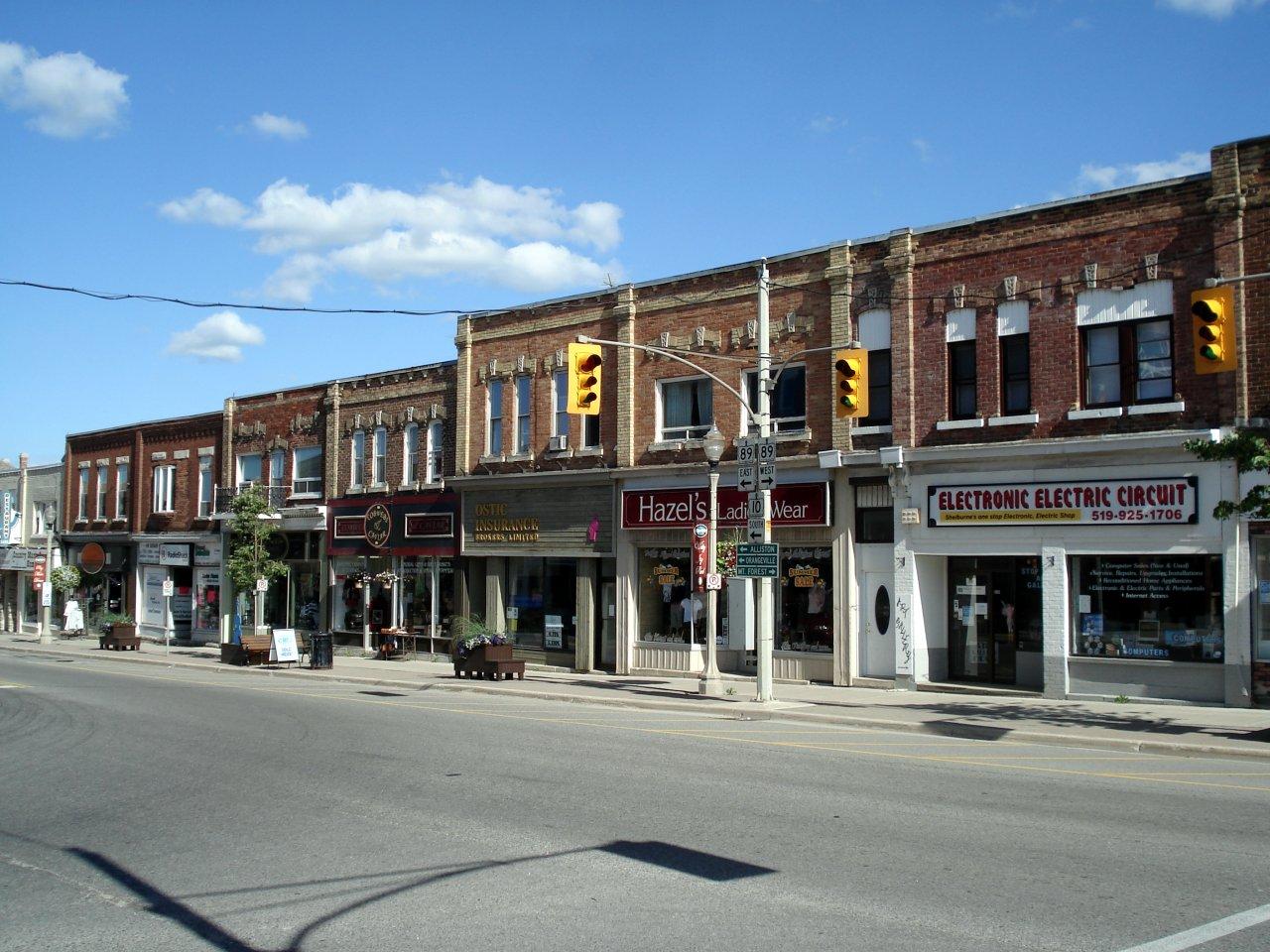
In downtown Orangeville, a two‑storey mixed‑use on a 25‑foot lot might carry a ground‑floor net rent between the high teens and low thirties per square foot, depending on width, frontage, and tenant covenant. A light industrial condo near County Road 109 often trades on a capitalization of stabilized net income, not on replacement cost, and cap rates in small‑town Ontario routinely sit a notch higher than in the GTA. A single‑tenant highway restaurant in Shelburne can sell primarily on the strength of its lease and traffic counts on Highway 10 and Highway 89. Outside the towns, agricultural parcels in Amaranth or Melancthon pivot on soil class, tile drainage, and severance potential, while small aggregate operations introduce royalty income and rehabilitation liabilities that typical forms never cover.
For a commercial real estate appraisal in Dufferin County, the definition stretches well beyond office towers and shopping centres. It includes:
- Main‑street retail and mixed‑use buildings in Orangeville, Shelburne, and Grand Valley Small bay industrial, contractor yards, and service commercial along arterial corridors Automotive uses, fuel stations, and quick‑service pads at highway nodes Special‑purpose assets like self‑storage, churches, arenas, private schools, and cannabis facilities Farms, hobby farms, and rural commercial with on‑site systems
Each subtype leans toward different valuation methods, data sources, and risk adjustments. An appraiser who has only worked inside the 400‑series corridors often misses these distinctions.
Standards, designations, and why they matter
Lenders and courts in Ontario look for two signals of credibility. First, the appraiser’s designation. For commercial assignments, lenders generally expect an AACI designated member of the Appraisal Institute of Canada. Second, a statement of compliance with the Canadian Uniform Standards of Professional Appraisal Practice, often shortened to CUSPAP. CUSPAP governs scope, ethics, definitions of value, and reporting. When the intended use is litigation or expropriation, counsel also expects clear effective dates, extraordinary assumptions, and hypothetical conditions where applicable. A qualified commercial appraiser in Dufferin County knows how to tailor scope under CUSPAP without blurring the line between advocacy and impartial analysis.
On the regulatory side, municipal zoning in Orangeville, Shelburne, Mono, and Grand Valley can impose site‑specific rules that limit highest and best use. The Niagara Escarpment Commission and the Credit Valley Conservation Authority show up in rural and fringe areas, changing what is reasonably probable within a typical development timeline. The appraiser’s job is to bring those overlays into the highest and best use test and state where entitlements are likely, merely possible, or remote.
Appraisals for financing: what lenders actually read
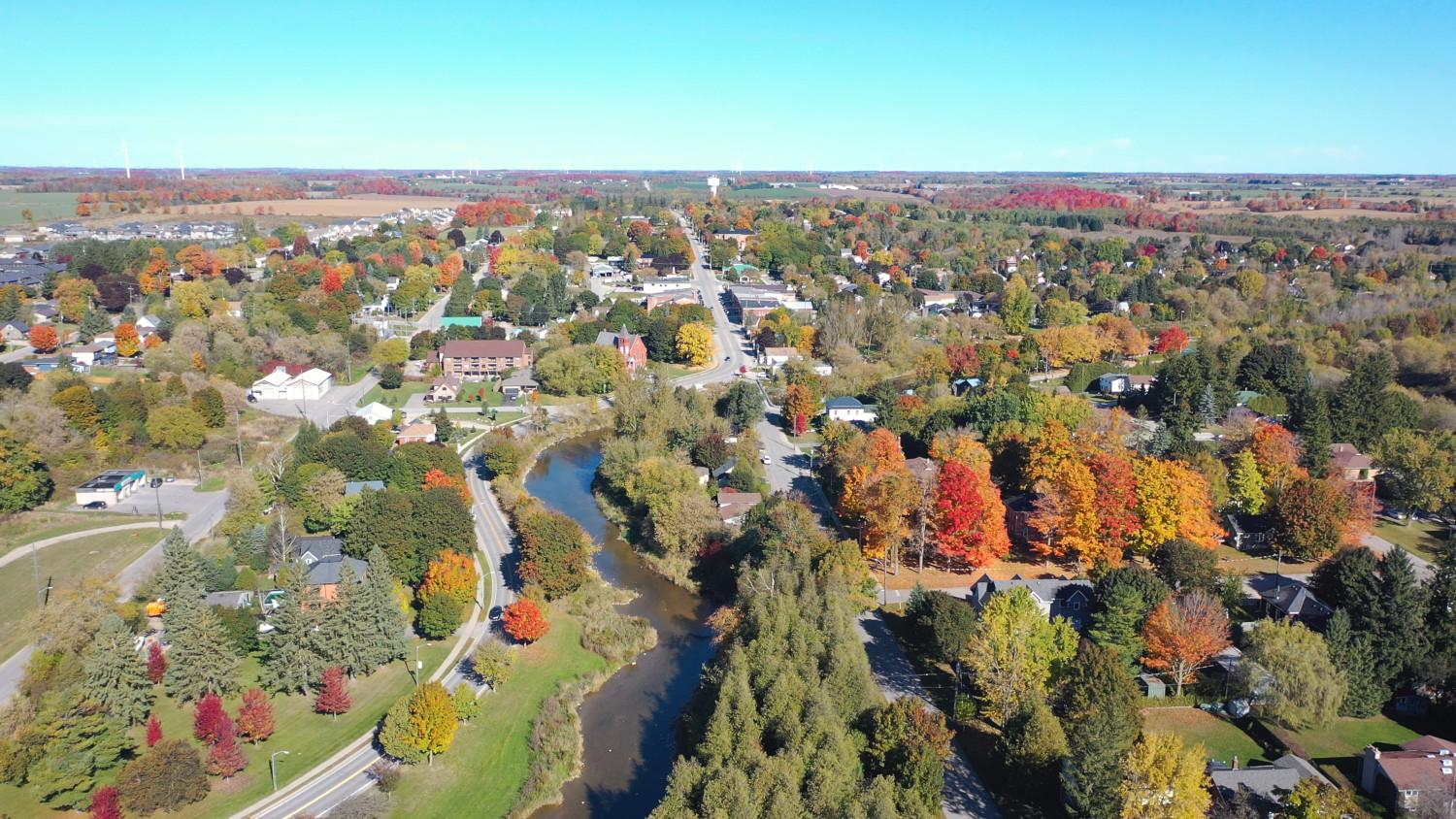
Underwriting teams care about solvency, stability of income, and exit liquidity. They do not need a novel. They need a clear opinion of value, a believable rent roll, and risk flags that can be priced or mitigated. For a commercial property appraisal in Dufferin County prepared for financing, five elements shape the lender’s decision:
- The income approach, with realistic market rents, vacancy, expenses, and cap rate support A direct comparison approach tied to verifiable local sales or, if thin, to proximate markets with transparent adjustments A land value opinion when improvements are older or functionally constrained, to ground test against a redevelopment scenario A candid assessment of environmental, servicing, and access issues that influence lending conditions Exposure and marketing time estimates consistent with small‑market liquidity
Take an Orangeville warehouse with 15,000 square feet and 18‑foot clear. If the tenant pays 14 dollars net per square foot with a three‑year term remaining, and market vacancy for comparable industrial in town sits in the low single digits, https://devinceuw289.lowescouponn.com/unlock-property-value-with-commercial-appraisers-in-dufferin-county an appraiser might stabilize at 13.50 to 14.50 dollars, apply a normalized non‑recoverable expense factor for management and structural reserve, and test a cap rate band in the mid sixes to high sevens. If the building has a shallow truck court or limited power, those characteristics push the cap rate to the higher side of the band. A good report will show that sensitivity instead of hiding it behind one point estimates.
On the retail side, a Shelburne pad with a drive‑thru could show higher rent but a larger risk premium for tenant rollover and limited backfill depth. Here, the direct comparison approach, anchored in sales of similar pads along Highway 10 and close GTA fringe communities, helps triangulate value while the income approach demonstrates sustainability.
Data in a thin market: where the numbers come from
Dufferin County does not trade at the pace of Peel or York. That does not mean you cannot find credible comparables. It means you have to triangulate. Appraisers will pull from:
- Local MLS records for small commercial and mixed‑use transactions Brokerage intelligence from agents who farm Orangeville and Shelburne Public registry and land transfer records for confirmed sale prices and dates Aggregated databases such as CoStar, Altus, or RealNet for regional cap rate and rent context Municipal permits and assessment data to confirm building sizes and improvement timing
When direct comparables are sparse, the analysis leans on paired sales from nearby towns with similar economic drivers. For example, a small‑bay industrial sale in Bolton or Caledon Village can inform a rate or cap rate adjustment, provided the appraiser makes time and location adjustments transparent. If the report explains why a 50 to 150 basis point spread is warranted between GTA fringe and Orangeville, a lender can follow the logic and set covenant strength or amortization accordingly.
Real constraints that move value in Dufferin
Local conditions often decide who will lend and at what leverage. Servicing is one example. A rural commercial parcel with a well and septic system may hit a cap on occupant load. A restaurant or daycare can fail to pencil if the septic field cannot support peak flows without costly upgrades. In litigation, those same constraints become part of damages or stigma analysis.
Environmental history also plays a larger role than owners expect. Former automotive and agricultural uses leave behind underground tanks, solvent residues, or pesticide concerns. A Phase I ESA that calls for intrusive testing can delay financing or change a lender’s advance rate. If contamination is confirmed, an appraiser must shift to an as‑is value subject to remediation, then quantify the reasonable present value of cleanup and the market’s likely recession from the property for a period after remediation. Courts expect a clean bridge between the environmental engineer’s scope and the appraiser’s adjustments.
Zoning and site shape can impose functional obsolescence. Narrow Main Street frontages limit tenant mix and rent, even if GFA looks attractive on paper. Corner visibility might add 5 to 15 percent to achievable rent on retail, but only if parking and access work with the current one‑way patterns in downtown Orangeville. A contractor yard on a deep, flag‑shaped lot may suffer from inefficient site circulation that inflates loading time and pushes tenants to properties with cleaner truck movement.
Litigation assignments, from expropriation to partnership disputes
When a valuation walks into a courtroom, the ground rules change. The effective date is often retrospective. The standard of value might be market value, market rent, or fair compensation under the Expropriations Act. The audience is a trier of fact, not an underwriter. The report must carry the reader through the valuation logic step by clear step and disclose every assumption that could move the dial.
In Dufferin County, litigation calls tend to cluster around:
- Expropriation for road widenings and intersection improvements on Highway 10, 89, or County roads Matrimonial division where a family‑owned commercial building forms a major asset Partnership or shareholder disputes for owner‑occupier businesses with realty and equipment bundled together Property tax appeals through MPAC and the Assessment Review Board for misclassified industrial or excess land Damage claims where a construction delay or municipal by‑law change interrupted income or impaired development timing
Each requires a tailored scope. An expropriation partial‑taking of a highway frontage may need before and after valuations, supported by sales and rent evidence bracketing the taking date, and a severance analysis of how the remainder performs with changed access or reduced site depth. A matrimonial file might need a retrospective market value one to five years back, reflecting market conditions then, not now, with careful documentation of available sales and cap rates at that time. For MPAC appeals, the lens is current value assessment at the valuation date, and the tools lean toward mass appraisal modeling critique, stratified comparables, and highest and best use that aligns with assessment methodology.
Courts also expect appraisers to avoid advocacy. The assignment belongs to the truth more than to the client’s preferred outcome. That does not mean passive work. It means active, transparent reasoning, and a willingness to quantify ranges where the market signals genuine uncertainty.
Choosing a commercial appraiser in Dufferin County
Not every qualified appraiser fits every assignment. The right commercial appraiser in Dufferin County can articulate how local supply and demand, small‑market liquidity, and servicing constraints shape value. They will also speak the language of lenders and counsel. A brief due‑diligence call tells you a lot. Ask what the appraiser would consider the relevant comparable set, what primary risks they expect to examine, and whether a limited scope would undermine the credibility you need.
A practical checklist helps buyers, borrowers, and lawyers set the file up for success:
- Confirm designation and recent experience with your property type and intended use, financing or litigation. Align on effective date, definition of value, and any retrospective or prospective elements at engagement. Provide complete rent rolls, leases, TMI reconciliations, permit records, and environmental reports up front. Clarify site servicing, easements, and any recent or pending planning applications that could affect highest and best use. Identify the audience early, for example, Schedule A lenders, private lenders, or a specific court or tribunal.
If your case involves expert testimony, ask about prior court appearances and familiarity with the specific tribunal rules. Some experts are superb analysts but do not thrive under cross‑examination. Others present well but are light on the footnotes. For litigation, you need both.
Methods that carry weight with lenders and courts
Three valuation approaches dominate commercial real estate appraisal in Dufferin County, but their weight varies with property and purpose.
The direct comparison approach draws on sales of similar properties, adjusted for time, location, size, condition, and lease structure. It resonates where the market trades frequently enough to set a range. Main‑street retail and small industrial often fit this bill. In a thin market, the appraiser may rely on a wider geography, then spend more ink on adjustments, explaining, for instance, why a sale in Bolton is a half step rather than a full step from Orangeville.
The income approach, using direct capitalization or discounted cash flow, suits income properties with credible leases. Lenders care deeply about this method because debt service must match stabilized net operating income. In Dufferin County, small‑bay industrial and neighborhood retail are prime candidates. Good reports show the rent roll, comment on rollover risk, and test sensitivity. Instead of a single cap rate at 7.25 percent, a seasoned appraiser might state a band of 7 to 8 percent with pointed evidence, then land on a reconciled conclusion after weighing covenant strength, building utility, and market depth.
The cost approach leans on land value plus depreciated replacement cost. It steps forward for special‑purpose assets where sales are scarce and income is unstable or tied to the owner’s business. Self‑storage, churches, arenas, and newer agricultural improvements often need a cost backbone. Even when not primary, the cost approach grounds a lender’s view of downside protection.
The bridge between appraisal and underwriting
The cleanest appraisal in the folder still needs to speak the bank’s language. That means reconciling value to the loan amount and terms. A Schedule A lender reading a report on a 3‑unit mixed‑use on Broadway wants to see confirmed leases, a normalized vacancy factor, conservative market rent support, and a cap rate consistent with recent trades. A private lender financing a rural contractor yard wants clear downside scenarios in case of liquidation and a frank discussion of buyer pools. When a property is owner‑occupied, the appraiser has to normalize rents to market and explain the difference between business value and real estate value. The more transparent the bridge, the less time a credit committee spends circling back.
Retrospective dates and thin evidence
Litigation work often reaches backward to a date with fewer available sales. The remedy is not to pretend certainty. It is to work carefully with what exists, triangulate with regional data, and state ranges. For example, a retrospective value as of mid‑2020 for an Orangeville industrial might show compressed marketing periods during the pandemic’s logistics surge, with cap rates dipping then rebounding. If sales in Dufferin are scarce, the appraiser can lean on more numerous GTA fringe trades, then apply reasoned adjustments for location and liquidity. A court appreciates an expert who resists the urge to conjure precision where the market did not offer it.
Environmental and building systems that trip up deals
In rural and edge‑of‑town assets, building and site systems become value drivers. Fire separations in older mixed‑use buildings may not meet code. A small deficiency can block refinancing if the insurer will not renew at a reasonable rate. Granular parking counts matter more than owners realize, especially for medical or restaurant tenants. Septic capacity limits the feasible tenant mix. These are not side notes. Lenders sometimes condition advances on addressing them, and courts consider them in damages. A credible commercial appraisal services provider in Dufferin County will document these elements, tie them to marketability and cost, and integrate them into the final reconciliation.
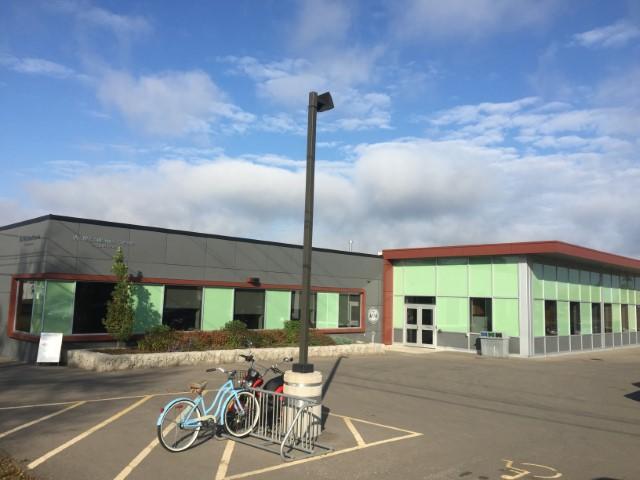
An example from practice: a two‑tenant service commercial building near Mono had one tenant’s mezzanine built without permits, triggering SF discrepancies and a fire safety review. The appraisal acknowledged the unpermitted area, set market rent on the permitted GFA only, and adjusted the cap rate upward given the compliance risk. The lender required a permit path or demolition of the mezzanine as a funding condition. The final loan amount followed our as‑is value, not a hypothetical as‑if‑permitted scenario.
Special‑purpose and edge cases
Dufferin County sees its share of non‑standard assets. Self‑storage underpins income with many small tenants and short terms, which changes vacancy and expense modeling. A small power‑of‑sale industrial yard can introduce a forced‑sale discount distinct from ordinary market exposure, which a lender may ask the appraiser to address directly. Aggregate and agricultural properties demand a grasp of royalty income, extraction limits, rehabilitation costs, or quota regimes. Cannabis production adds security, electrical capacity, and specialized improvements with limited secondary market appeal. In all of these, a commercial property appraiser in Dufferin County needs either direct experience or a plan to partner with a subject‑matter consultant so the final value stands up to scrutiny.
Preparing for expert evidence
Litigation often ends with testimony. Preparation starts months earlier with clean engagement terms, a defined standard of value, and a document trail that lets the expert explain every choice. Counsel helps by narrowing issues that truly matter and resisting the urge to turn the report into a brief. Cross‑examiners tend to probe three areas: data selection, adjustments, and consistency with prior opinions. A strong report will show why certain comparables were excluded, how adjustments were derived rather than invented, and where the expert identified a range and then chose a point within it. That transparency lands better with judges and arbitrators than aggressive point‑estimates built on shaky ground.
Here are five common pitfalls counsel and clients can avoid when instructing an expert:
- Shifting the intended use mid‑assignment, for example, asking a financing report to serve as litigation evidence without re‑scoping. Concealing adverse documents, such as environmental flags or lease side letters, that will surface during discovery. Imposing a predetermined value or cap rate target, which undermines independence and will be exposed in cross‑examination. Asking for hypothetical, as‑if‑complete values without a realistic schedule or hard costs to anchor them. Providing incomplete rent rolls or omitting vacancy, inducements, or free rent periods that distort stabilized income.
Fees, timing, and the reality of small‑market appraisals
Turnaround time in Dufferin County is often faster than in the GTA, but a credible commercial appraisal still takes time. Site access, tenant interviews, and document review cannot be compressed without trade‑offs. For straightforward financing assignments on small industrial or retail, two to three weeks is typical once documents are in hand. Litigation reports with retrospective dates or expropriation analysis can take a month or more, given the need to assemble a reliable data set and draft an evidence‑ready narrative. Fees track complexity, not only square footage. A small building with messy leases can take longer than a larger, clean single‑tenant property.
If a bank requires an appraisal ordered directly through its channel, factor in that extra step. Schedule A lenders use approved appraiser lists. Private lenders are more flexible, but they often weigh the same credentials. When speed is critical, a short letter of transmittal after a verbal value range can keep the financing file warm, but the formal report still needs to follow.
How to think about value ranges and negotiations
Borrowers sometimes treat an appraisal as a single hard number. The market does not work that way, especially outside metro cores. A well‑supported opinion often includes a credible range. For negotiation and risk management, that range matters. A lender might gear leverage and pricing to the lower end. A buyer and seller can use the spread to structure holdbacks or vendor take‑back financing. In litigation, the range frames settlement risk. An expert who can explain why a property attracts buyers at, say, 1.9 to 2.1 million based on cap rate and rent scenarios gives everyone a better decision tool than an artificially precise 2,012,500.
Bringing it all together
Commercial property appraisal in Dufferin County rewards local knowledge, disciplined methods, and frank communication. The geography is close enough to the GTA to feel its pull, but different enough to punish cookie‑cutter analysis. For financing, the strongest reports anchor rent and cap rate choices in verifiable local and regional data, then surface the real risks lenders price every day. For litigation, the same discipline shows up as clear definitions, transparent assumptions, and a narrative that a court can test line by line.
If you need commercial appraisal services in Dufferin County, start by clarifying your intended use and effective date, then find a qualified AACI who works these streets and concession roads. Share the full story early, good and bad. Ask the appraiser to walk you through their comparable set before they draft. Push for ranges where the evidence suggests them. With that approach, a commercial real estate appraisal in Dufferin County becomes more than a formality. It becomes a decision tool that holds up with lenders, negotiators, or a judge who wants to understand what the market would really pay.